Borough of Côte-des-Neiges–Notre-Dame-de-Grâce
Sell my house fast in NDG and Côte-des-Neiges
In shortA house in NDG or Côte-des-Neiges can be sold as it stands, including in an estate, with no listing and no showings. The borough is in Montreal, so the buyer pays Montreal’s transfer duties.
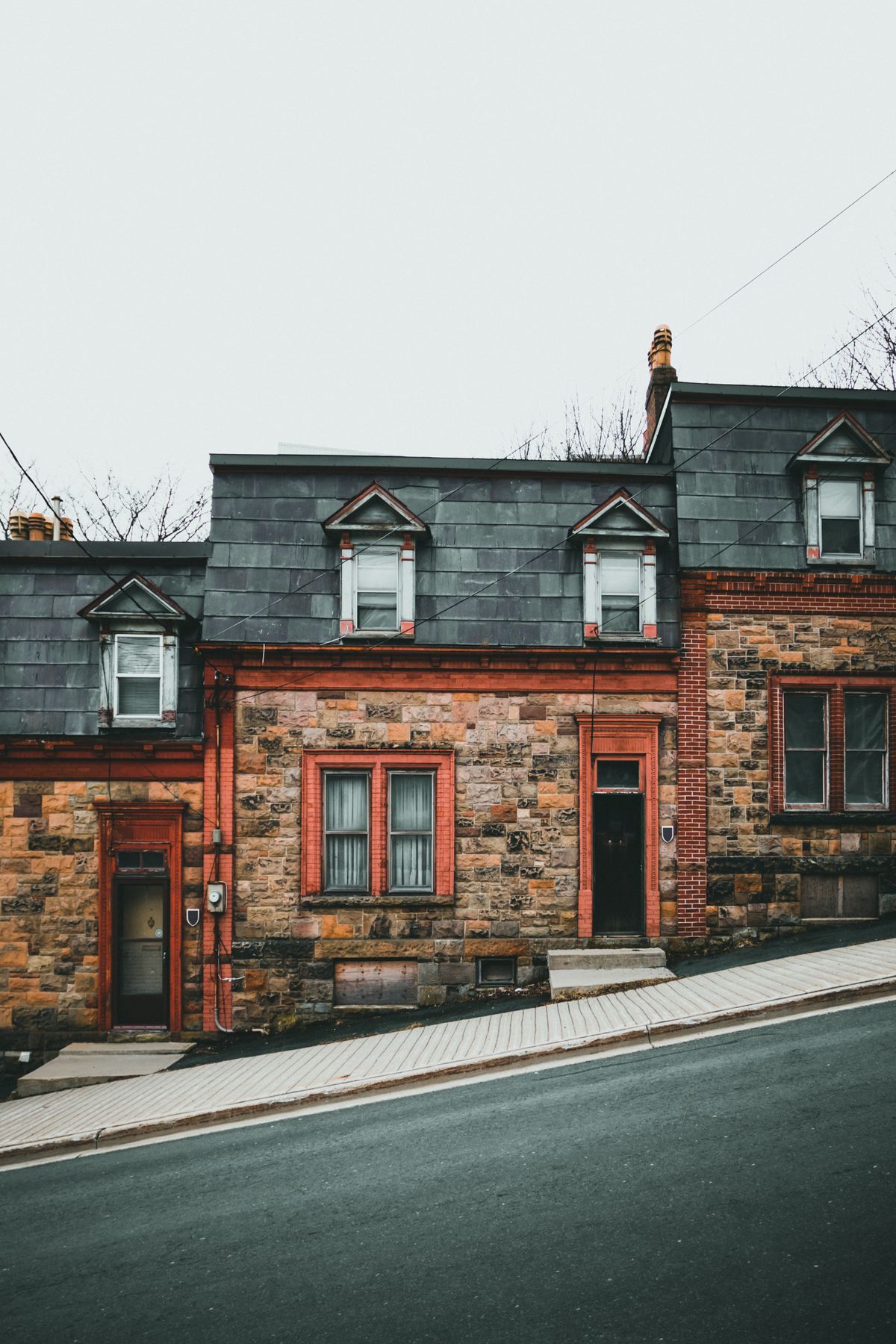
Côte-des-Neiges–Notre-Dame-de-Grâce is Montreal’s most populous borough, about 170,600 people in the 2021 census, and its quarterly single-family median, $1,289,500, is among the highest Centris published on the island for the third quarter of 2026. If you want to sell an NDG or Côte-des-Neiges house quickly and as it is, Bruce Malcolm buys directly, with no listing and no showings.
What are houses selling for in NDG and Côte-des-Neiges right now?
For July to September 2026, Centris reports a single-family median of $1,289,500 in the borough, up 10% year over year, on 42 sales, with an average of 50 days on market. Plexes of 2 to 5 units sold at a median of $944,500 on 40 sales, averaging 60 days on market.
Listings grew faster than sales: single-family active listings rose 25% to 109, and total residential listings rose 22% to 592. A median is the middle of what sold that quarter. A semi-detached on a side street off Monkland and a detached house near the Oratory are not the same property, and neither is a duplex near Snowdon.
Which parts of the borough are we talking about?
The borough’s five electoral districts are Côte-des-Neiges, Darlington, Snowdon, Loyola and Notre-Dame-de-Grâce. NDG is the western half, with Sherbrooke Street West, Monkland Avenue, Concordia’s Loyola Campus and the MUHC Glen site by Vendôme station. Côte-des-Neiges is the eastern half, around the Université de Montréal, Saint Joseph’s Oratory and the Jewish General Hospital. Many houses here have been in one family for decades, so estate sales are common.
How much is the welcome tax on an NDG house?
The 2026 Montreal brackets are 0.5% to $62,900, 1% to $315,000, 1.5% to $552,300, 2% to $1,104,700, 2.5% to $2,136,500, 3.5% to $3,113,000 and 4% above. The duties are calculated on the highest of the price paid, the value stated in the deed and the roll value multiplied by the comparative factor (1.00 in 2026). The buyer pays them, but they shape what any buyer can offer. At the Q3 2026 single-family median of $1,289,500, the duties come to about $22,063.
Sources
Questions people ask
Keep reading
- Sell my house fast in Saint-LaurentSelling a house in Saint-Laurent as-is: Q3 2026 Centris numbers, the Montreal welcome tax, and a direct sale to Bruce Malcolm.
- Sell my house fast in Rosemont–La Petite-PatrieSelling a house or plex in Rosemont–La Petite-Patrie as-is: Q3 2026 Centris numbers, the Montreal welcome tax, and a direct sale to Bruce Malcolm.
- How much is my house worth in the West Island?The assessment, an online estimate and a median each measure something different. A written offer is the number you can sign.
- The real costs of selling a house in QuebecCommission and its taxes, the mortgage penalty, the certificate, the notary, adjustments and capital gains, with who pays each.
- Who pays the Montreal welcome tax?The buyer pays Montreal’s welcome tax. The 2026 brackets are the City’s, and they change yearly.
- Sell an inherited house in MontrealA full house, a liquidator, and a deed without first emptying the rooms.
This is general information about how a sale usually works in Quebec. It is not legal, tax or financial advice, and it is not a promise about your price or your date. A notary — and, if your file needs it, a lawyer or a licensed insolvency trustee — applies the rules to your situation. Sending an address does not commit you to sell.