Home value
How much is my house worth in the West Island?
In shortYour West Island house is worth what a buyer will pay on the day you sell, and no website can give that number from an address alone. A municipal assessment, recent sales nearby, and the condition of the house get you close. A written offer is the only figure you can sign.
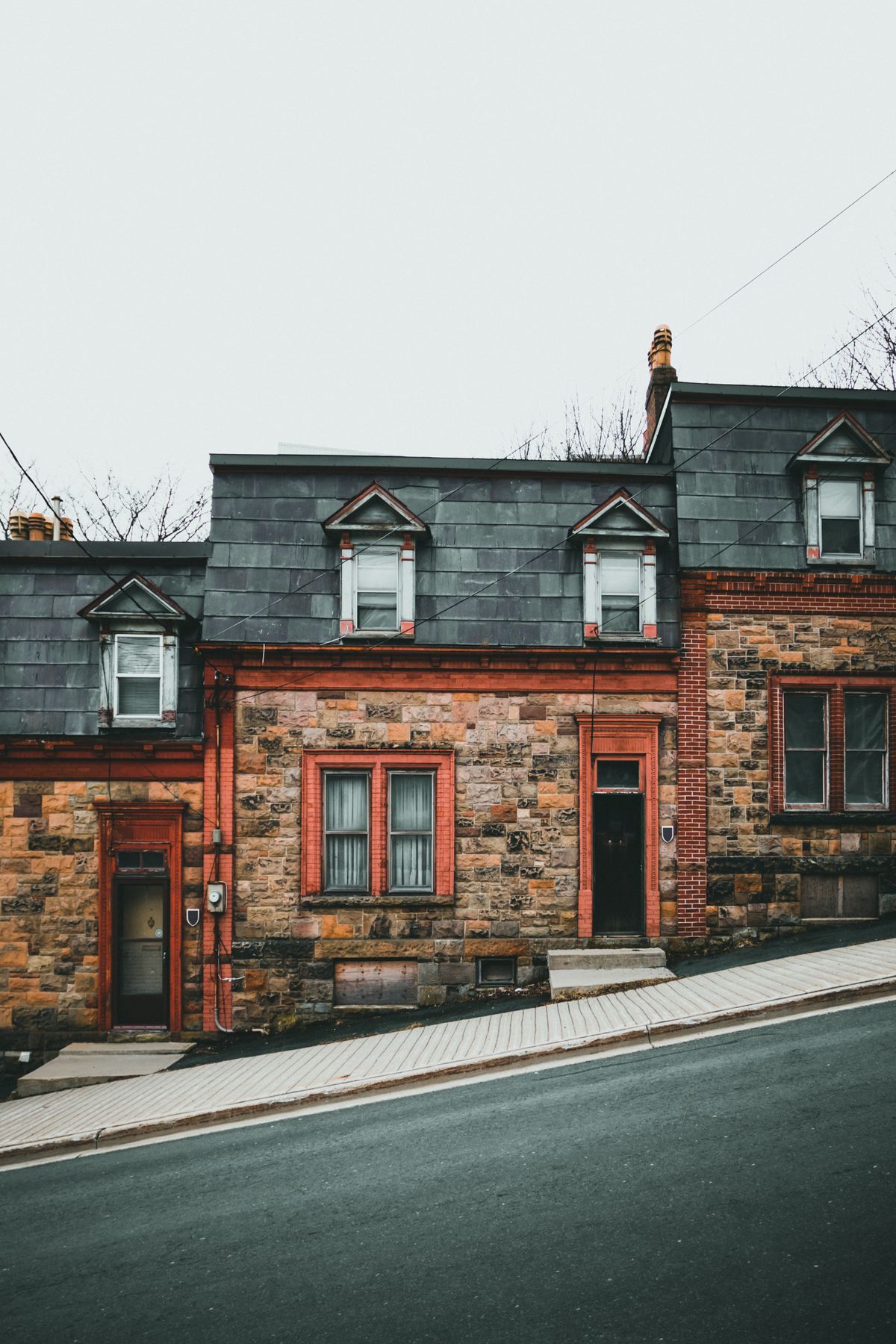
People type this question for different reasons: a parent moving to a residence, a separation, a house that came through a succession, or simply curiosity after a neighbour sold. The answer below explains what each common source of a “value” really measures, where it goes wrong in Pointe-Claire, Kirkland, Dollard-des-Ormeaux or Beaconsfield, and what Bruce Malcolm looks at when he makes an offer as a private buyer.
Is my municipal assessment the value of my house?
No. The assessment on your tax bill is a mass appraisal made for taxation, not a price. In Quebec, the Act respecting municipal taxation sets each roll at the market conditions of 1 July of the second year before the roll takes effect, about 18 months earlier (Act respecting municipal taxation, s. 46, on LégisQuébec). For a roll that starts on 1 January 2026, that reference date is 1 July 2024. The number is the same for the three years of the roll, while the market keeps moving.
The assessment is still useful. It tells you how your house compares with others on the same roll, and it is one of the three numbers that set the buyer’s welcome tax. Montreal’s comparative factor for 2026 is 1.00, according to the City’s page on how transfer duties are calculated, which means the City treats its roll as close to market for that tax. That is a statement about the roll as a whole, not about your house. The West Island cities that are not boroughs, such as Pointe-Claire, Kirkland, Dorval, Beaconsfield and Dollard-des-Ormeaux, are assessed through the agglomeration, and each city publishes its own tax rates.
What do online home value estimators get wrong?
An automated estimate starts from sales it can see and adjusts by size, age and location. It cannot see the basement that took water in 2019, the roof that is twenty-five years old, the kitchen that was redone last year, or the fact that your street backs onto a busy road while the next one backs onto a park. In the West Island, two split-levels a few streets apart can differ a lot.
An estimate is also a single number with no conditions attached. A real buyer’s number comes with conditions: an inspection, financing, a closing date, what stays in the house. A price with an inspection condition and a financing condition is not the same thing as a firm price with none.
What do recent sales near me actually tell me?
Recent sales of similar houses are the strongest public evidence of value, if they are really similar. Compare the same type of house (bungalow, split-level, cottage, semi-detached), a similar lot, similar condition, and sales within the last few months. A sale from two years ago, or an updated house next to your original one, tells you less than it seems.
The wider market gives context, not a price. The Quebec Professional Association of Real Estate Brokers (QPAREB) reported, from Centris data, that the median price of a single-family home in the Montreal census metropolitan area was $635,000 in September 2026, against $632,000 a year earlier, with 1,649 single-family sales that month and an average of 41 days on the market. Active residential listings across the area were up 20% from a year before. A median is the middle of thousands of very different houses. It tells you the market is flat and that buyers have more choice than last year. It does not tell you what your house on your street will bring.
What changes the value of a West Island house the most?
Condition and work still to be done. A buyer subtracts the cost and the trouble of what they will have to fix, often by more than the work would cost. Foundations, water infiltration, the roof, an old electrical panel, a furnace or oil tank, and windows are the items that move a number.
Location inside the town. Being close to a train station, a REM station, a good school, the lake, or a busy road changes what buyers pay, sometimes from one block to the next.
The file itself. A clear title, an up-to-date certificate of location, permits for past work and a straightforward succession or separation make a sale simpler. Missing pieces add delay and risk, and buyers price risk.
How does Bruce arrive at a number?
Bruce Malcolm is a private buyer of houses in Montreal and the West Island. He is not a broker, an agent or an appraiser, and he does not give appraisals. When you send an address, he looks at the house, recent sales of comparable houses, and what work the house needs, and then he makes an offer to buy it himself.
His offer is a price for a direct sale: no showings, no inspection condition, no commission, and a closing date you choose once the notary can sign. You can leave what you do not want in the house. You can compare that number with what you think a listing would bring after its costs and its delays. Sending the address does not commit you to anything.
Municipal assessment
What it measures. Market conditions at the roll’s reference date (1 July 2024 for a 2026 roll)
Main limit. Fixed for three years; does not see your house’s condition
Online estimate
What it measures. A formula applied to visible sales
Main limit. Cannot see condition, recent updates or the exact street
Recent comparable sales
What it measures. What buyers paid for similar houses nearby
Main limit. Only as good as how similar the houses really are
Montreal CMA median (QPAREB, Sept. 2026)
What it measures. $635,000 for single-family homes, across the whole area
Main limit. Context only; not a price for any one house
A written offer
What it measures. What one buyer will pay, with its conditions
Main limit. The only number you can sign
| Source | What it measures | Main limit |
|---|---|---|
| Municipal assessment | Market conditions at the roll’s reference date (1 July 2024 for a 2026 roll) | Fixed for three years; does not see your house’s condition |
| Online estimate | A formula applied to visible sales | Cannot see condition, recent updates or the exact street |
| Recent comparable sales | What buyers paid for similar houses nearby | Only as good as how similar the houses really are |
| Montreal CMA median (QPAREB, Sept. 2026) | $635,000 for single-family homes, across the whole area | Context only; not a price for any one house |
| A written offer | What one buyer will pay, with its conditions | The only number you can sign |
Common sources of a “value”, and what each one measures
Sources
Questions people ask
Keep reading
- Sell my house fast in Pointe-ClaireThe windmill peninsula, Valois, and the streets near Fairview, each with the city’s own 2026 duty scale.
- Sell my house fast in KirklandA reconstituted city of larger lots and quiet crescents, between Dollard-des-Ormeaux and the lakeshore.
- Sell my house fast in Dollard-des-OrmeauxAn independent city of bungalows and split-levels, with its own 2026 transfer-duty brackets.
- Sell my house fast in BeaconsfieldLakeshore and Beaurepaire lots, Angell Woods inland, and a 2026 duty scale that hits 3% above $630,100.
- Sell my house fast in DorvalThe old lakeshore town and the streets nearer Montréal–Trudeau, with Dorval’s own 2026 duty table.
- Sell my house fast in PierrefondsBorough bungalows, Roxboro and the Gouin waterfront, with Montreal’s transfer-duty scale.
- The real costs of selling a house in QuebecCommission and its taxes, the mortgage penalty, the certificate, the notary, adjustments and capital gains, with who pays each.
- Selling in the West Island: what the market looks like this fallMore listings, longer sales and flat prices: QPAREB’s fall 2026 figures and what they mean for a West Island seller.
- Who pays the Montreal welcome tax?The buyer pays Montreal’s welcome tax. The 2026 brackets are the City’s, and they change yearly.
- Is my municipal assessment what my house is worth in Montreal?Not exactly. The 2026-2028 roll reflects 1 July 2024 and stays fixed for three years. Here is why your price can differ, how it affects the welcome tax, and how a review works.
This is general information about how a sale usually works in Quebec. It is not legal, tax or financial advice, and it is not a promise about your price or your date. A notary — and, if your file needs it, a lawyer or a licensed insolvency trustee — applies the rules to your situation. Sending an address does not commit you to sell.